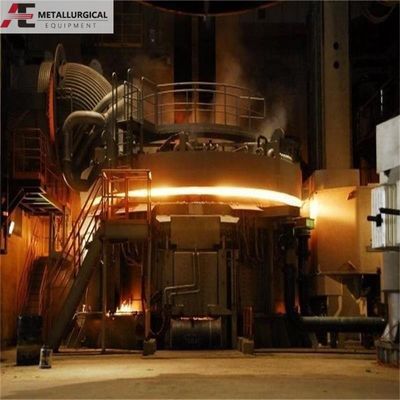
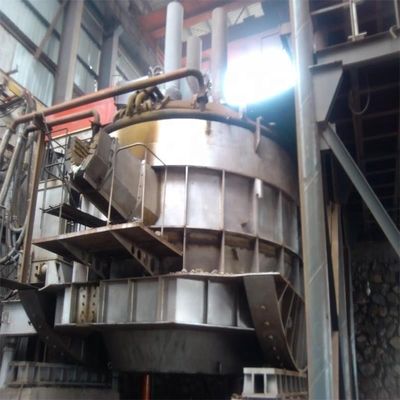
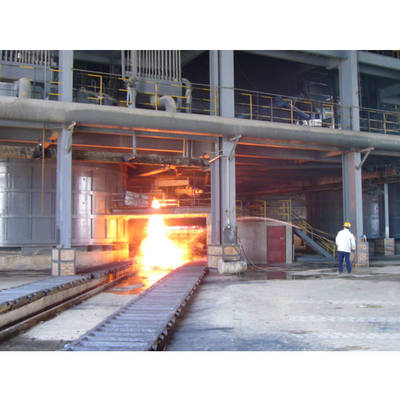
กระบวนการแตะและการทำงานของการกักเก็บตะกรันของ Eccentric Bottom Tapping (EBT)เตาอาร์กไฟฟ้า
I. กระบวนการแตะ EBT
เมื่ออุณหภูมิและองค์ประกอบของเหล็กหลอมเหลวตรงตามข้อกำหนดที่ระบุ ลำดับการแตะสำหรับเตา Eccentric Bottom Tapping (EBT) จะเริ่มต้นดังนี้:
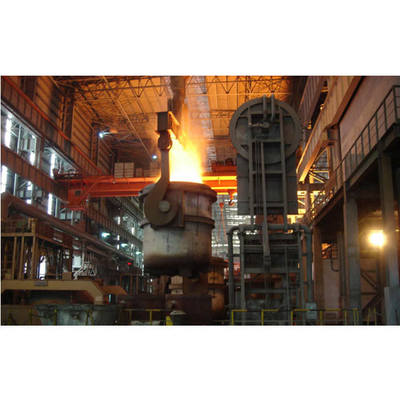
1. การวางตำแหน่งของกระบวย: ขนส่งกระบวยที่อุ่นไว้ล่วงหน้าไปยังตำแหน่งที่อยู่ใต้ราง EBT (กล่องแตะ) ของเตาโดยตรง
2. การเอียงเตาก่อนการแตะ: ก่อนเปิดรูแตะ ให้เอียงเตาประมาณ 3°–5° ไปทางด้านแตะ การเอียงเริ่มต้นนี้สร้างแรงดันสถิตที่เพียงพอจากเหล็กหลอมเหลวเหนือรูแตะ ซึ่งมีความสำคัญอย่างยิ่งในการเริ่มต้นกระแสน้ำที่แข็งแรงและสม่ำเสมอ และช่วยป้องกันการดึงตะกรันก่อนเวลาอันควร
3. การดำเนินการแตะ:
นำวัสดุเติมรูแตะ (แผ่นรองรับ/ปลั๊ก) ออกเพื่อเปิดรูแตะและเริ่มการแตะ
เมื่อการแตะดำเนินไป ให้ค่อยๆ เพิ่มการเอียงของเตาให้สูงสุดประมาณ 12° การเอียงที่ควบคุมนี้รักษาระดับความลึกของเหล็กหลอมเหลวเหนือรูแตะให้เกือบคงที่ ทำให้มั่นใจได้ถึงอัตราการไหลที่สม่ำเสมอ
เมื่อแตะเหล็กไปแล้วประมาณ 95% ให้เริ่มการเอียงกลับอย่างรวดเร็วของตัวเตากลับสู่ตำแหน่งแนวนอน การกลับอย่างรวดเร็วนี้ (ในอัตราประมาณ 3°/วินาที) เป็นสิ่งสำคัญอย่างยิ่ง ช่วยลดหัวเหล็กเหนือรูแตะอย่างรวดเร็ว ลดหรือกำจัดกระแสน้ำวนที่อาจดึงตะกรันเข้าไปในกระแสน้ำ ทำให้ได้การแตะที่ปราศจากตะกรันอย่างมีประสิทธิภาพ
ข้อควรพิจารณาที่สำคัญระหว่างการแตะ:
การควบคุมอัตราการเอียง: การเคลื่อนที่ของการเอียง โดยเฉพาะอย่างยิ่งในช่วงเริ่มต้นและช่วงสุดท้าย จะต้องไม่เร็วเกินไป ความเร็วที่มากเกินไปอาจทำให้เหล็กหลอมเหลวในกล่อง EBT พุ่งขึ้นและสัมผัสกับแผงระบายความร้อนด้วยน้ำด้านบน ซึ่งเสี่ยงต่อความเสียหายร้ายแรงหรือการแตก
รักษาระดับกล่อง EBT: จำเป็นอย่างยิ่งที่จะต้องรักษาระดับความสูงของเหล็กหลอมเหลวที่เหลืออยู่ในกล่อง EBT ตลอดการแตะ สิ่งนี้ทำหน้าที่เป็นบัฟเฟอร์เพื่อป้องกันการก่อตัวของกระแสน้ำวนที่รูแตะ ซึ่งเป็นกลไกหลักสำหรับการนำตะกรันเข้าไปในกระบวย
II. การทำงานของการกักเก็บเหล็กและตะกรัน
คุณสมบัติการออกแบบที่สำคัญของเตา EBT คือความสามารถในการดำเนินการ "การกักเก็บเหล็กและตะกรัน" ในตอนท้ายของการแตะ ด้วยการสรุปการแตะด้วยการเอียงกลับอย่างรวดเร็ว เตาจะกักเก็บเหล็กหลอมเหลวประมาณ 10–15% และตะกรันมากกว่า 95% ภายในภาชนะหลัก กลยุทธ์การดำเนินงานนี้ให้ประโยชน์ที่สำคัญหลายประการ:
1. ข้อดีของกระบวนการ: ช่วยให้สามารถแตะลงในกระบวยได้โดยปราศจากตะกรันอย่างแท้จริง เหล็กและตะกรันที่ถูกกักเก็บไว้ให้เงื่อนไขที่ดีเยี่ยมสำหรับการให้ความร้อนในภายหลัง ซึ่งเป็นการเปลี่ยนแปลงกระบวนการรีเซ็ตเตาแบบดั้งเดิมโดยพื้นฐาน
2. ปรับปรุงประสิทธิภาพการหลอม:
การอาร์คที่เสถียร: สระหลอมเหลวที่ถูกกักเก็บไว้ช่วยให้มั่นใจได้ถึงเส้นทางนำไฟฟ้าที่เสถียรสำหรับการอาร์คตั้งแต่เริ่มต้นช่วงการหลอมละลายครั้งต่อไป ปรับปรุงประสิทธิภาพทางไฟฟ้าและลดการใช้ขั้วไฟฟ้า
การหลอมละลายเร็วขึ้น: สระของเหลวที่มีอยู่ช่วยเร่งการก่อตัวของอ่างหลอมเหลวเต็มรูปแบบ ทำให้การหลอมละลายเสร็จสมบูรณ์เร็วขึ้น 10–15 นาที
การกลั่นที่ดีขึ้น: การสร้างสระของเหลวในระยะแรกช่วยให้สามารถฉีดออกซิเจนได้เร็วขึ้นและมีประสิทธิภาพมากขึ้น ซึ่งช่วยปรับปรุงสภาพการกำจัดฟอสฟอรัสอย่างมากตั้งแต่เริ่มต้นการเป่าออกซิเจน
หมายเหตุการดำเนินงานสำหรับการกักเก็บเหล็ก/ตะกรัน:
1. ข้อควรพิจารณาในการเปลี่ยนเกรด: เมื่อเปลี่ยนไปใช้เกรดเหล็กที่แตกต่างกันอย่างมีนัยสำคัญ ให้ประเมินว่าเคมีของเหล็กที่ถูกกักเก็บไว้จะส่งผลเสียต่อองค์ประกอบสุดท้ายของการให้ความร้อนครั้งต่อไปหรือไม่
2. ลำดับการชาร์จ: อย่าเติมปูนขาวลงบนก้นเตาก่อนที่จะชาร์จถังขยะใบแรก เหล็กเหลวที่ถูกกักเก็บไว้จะทำให้ปูนขาวเผาผนึกก่อนเวลาอันควร ลดประสิทธิภาพ
3. ความสูงในการชาร์จ: ควบคุมความสูงในการปล่อยของถังขยะใบแรกเพื่อหลีกเลี่ยง "การยิงลูกบอล" ซึ่งอาจทำให้เกิดความเสียหายต่อการบุผนังด้านข้างหรือแนวตะกรันโดยการพุ่งผ่านของเหลวที่ถูกกักเก็บไว้
4. ระยะเวลาของกระบวนการ: เริ่มการเป่าออกซิเจนและตัวช่วยการหลอมละลาย (เช่น การฉีดคาร์บอน) เร็วกว่าในกระบวนการเพื่อใช้ประโยชน์จากการเริ่มต้นที่ได้รับจากส้นของเหลว
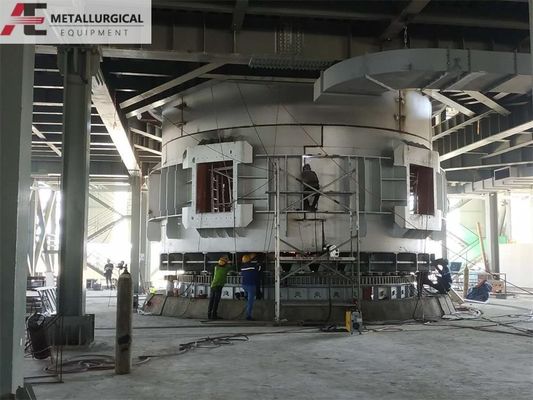
5. การบำรุงรักษาเตา: ตรวจสอบและทำความสะอาดบริเวณราง EBT เป็นประจำ ตรวจสอบสภาพการกัดกร่อนของก้นเตาและบริเวณรูแตะเพื่อกำหนดเวลาการบำรุงรักษาและป้องกันความล้มเหลว
เราเป็นผู้ผลิตเตาไฟฟ้ามืออาชีพ สำหรับการสอบถามเพิ่มเติม หรือหากคุณต้องการเตาอาร์คจม เตาอาร์คไฟฟ้า เตาหลอมกระบวย หรืออุปกรณ์หลอมอื่นๆ โปรดอย่าลังเลที่จะติดต่อเราที่ susan@aeaxa.com


 ข้อความของคุณจะต้องอยู่ระหว่าง 20-3,000 ตัวอักษร!