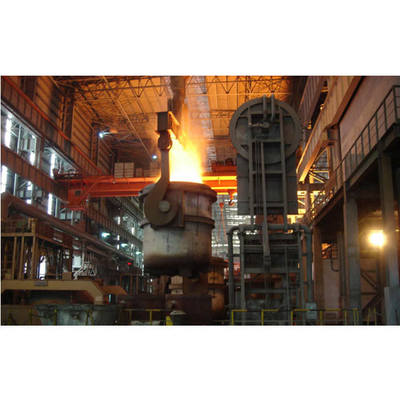
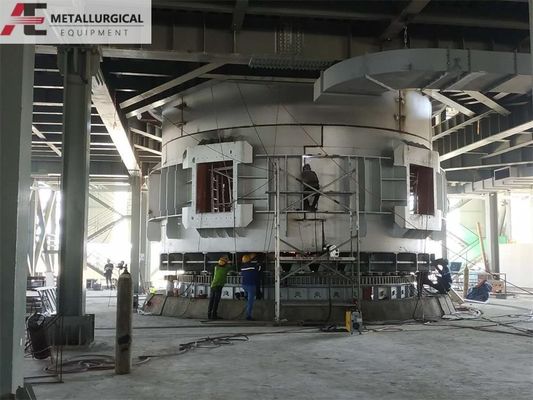
การหลอมเศษเหล็กที่มีประจุในเตาอาร์กไฟฟ้า
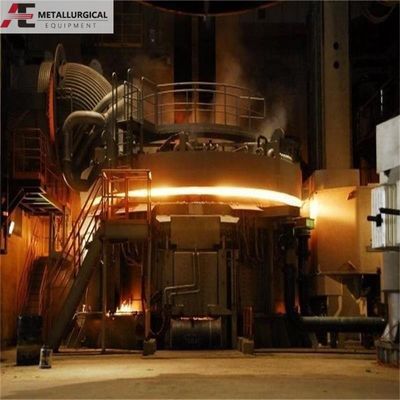
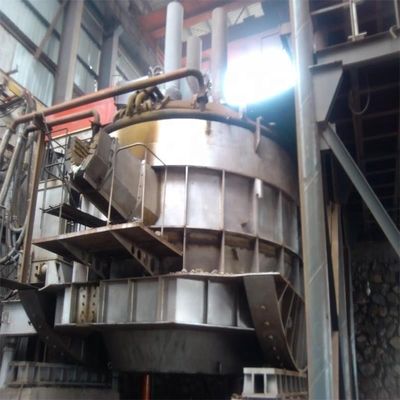
ขั้นตอนการหลอมเป็นหัวใจสำคัญของการผลิตเหล็กในเตาอาร์กไฟฟ้า (EAF) สมัยใหม่ EAF การออกแบบให้ความสำคัญกับการเพิ่มประสิทธิภาพการหลอมสูงสุดผ่านการป้อนพลังงานที่เหมาะสม ซึ่งสามารถจัดหาได้ทั้งทางไฟฟ้าและทางเคมี
การป้อนพลังงานไฟฟ้า
พลังงานไฟฟ้าถูกส่งผ่านขั้วไฟฟ้ากราไฟต์และมักทำหน้าที่เป็นแหล่งพลังงานการหลอมหลัก การทำงานเริ่มต้นด้วยการตั้งค่าแรงดันไฟฟ้าปานกลาง ทำให้ขั้วไฟฟ้าเจาะเข้าไปในเศษเหล็ก เศษเหล็กเบาๆ มักจะถูกวางไว้ด้านบนเพื่อเร่งการเจาะเริ่มต้นนี้ ซึ่งประมาณ 15% ของเศษเหล็กจะหลอมละลาย เมื่อขั้วไฟฟ้าถูกฝังอย่างเพียงพอ เตาจะเปลี่ยนไปใช้การตั้งค่าแรงดันไฟฟ้าสูงและอาร์คนาน ซึ่งช่วยเพิ่มการถ่ายโอนพลังงานไปยังเศษเหล็กในขณะที่ลดความเสียหายจากการแผ่รังสีไปยังหลังคา สระโลหะหลอมเหลวจะก่อตัวขึ้นในเตาในไม่ช้า แม้ว่าอาร์กจะผิดปกติในตอนแรก แต่จะคงที่เมื่อเตาร้อนขึ้นและสระหลอมเหลวขยายตัว ทำให้สามารถป้อนพลังงานเฉลี่ยได้สูงขึ้น
การป้อนพลังงานเคมี
พลังงานเคมีเสริมกระบวนการหลอมผ่าน:
- หัวเผาออกซิเจนเชื้อเพลิงที่เผาไหม้ก๊าซธรรมชาติด้วยออกซิเจน (หรืออากาศที่เสริมด้วยออกซิเจน) ทำให้เศษเหล็กร้อนขึ้นผ่านการแผ่รังสีเปลวไฟและการพาความร้อน
- การฉีดออกซิเจน ซึ่งออกซิเจนถูกฉีดเข้าไป—บ่อยครั้งผ่านท่อที่ใช้แล้วหมดไป—เพื่อทำการ “ตัด” เศษเหล็กด้วยความร้อนโดยการออกซิไดซ์เหล็กร้อน ปล่อยความร้อนเฉพาะที่อย่างเข้มข้น
เมื่อสร้างอ่างหลอมเหลวแล้ว ออกซิเจนสามารถฉีดเข้าไปในเหล็กได้โดยตรง ซึ่งส่งเสริมปฏิกิริยาคายความร้อนกับธาตุต่างๆ เช่น คาร์บอน ซิลิคอน แมงกานีส อะลูมิเนียม และฟอสฟอรัส สร้างความร้อนเพิ่มเติมเพื่อหลอมเศษเหล็กที่เหลืออยู่ ออกไซด์ของโลหะที่เกิดขึ้นจะรายงานไปยังตะกรัน ปฏิกิริยาของออกซิเจนกับคาร์บอนทำให้เกิดคาร์บอนมอนอกไซด์ ซึ่งจะเผาไหม้ในเตาหลอมหรือถูกสกัดและบำบัดโดยระบบก๊าซไอเสีย
การชาร์จและการควบคุมกระบวนการ
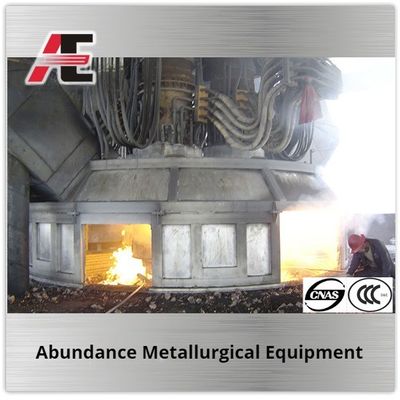
หลังจากเศษเหล็กหลอมละลายเพียงพอที่จะรองรับการชาร์จครั้งที่สอง เตาจะถูกชาร์จใหม่ เมื่อการชาร์จครั้งสุดท้ายเกือบจะหลอมละลาย ผนังด้านข้างที่เปิดออกจะต้องได้รับการปกป้องจากการแผ่รังสีอาร์กที่รุนแรง ซึ่งทำได้โดยการลดแรงดันไฟฟ้า หรือมีประสิทธิภาพมากกว่าโดยการสร้างตะกรันฟองที่ฝังอาร์ก ป้องกันวัสดุทนไฟ และปรับปรุงประสิทธิภาพความร้อน
การเปลี่ยนไปสู่การกลั่น
เมื่อหลอมละลายเต็มที่ (สภาวะ “อ่างแบน”) จะมีการวัดอุณหภูมิและการสุ่มตัวอย่างอ่าง การวิเคราะห์ทางเคมีจะกำหนดอัตราการเป่าออกซิเจนที่ต้องการสำหรับขั้นตอนการกลั่น และช่วยให้สามารถคำนวณเบื้องต้นของการเติมโลหะผสมจำนวนมาก ซึ่งจะสรุปหลังจากทำการกลั่น
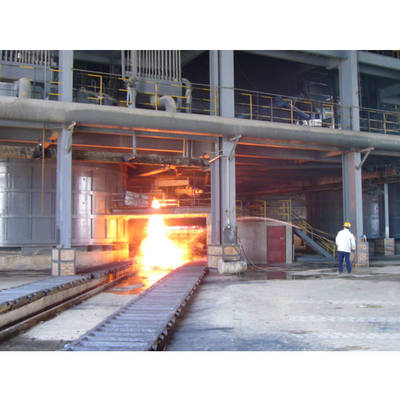
ด้วยการใช้พลังงานไฟฟ้าและเคมีอย่างประสานกัน พร้อมกับการควบคุมกระบวนการอย่างระมัดระวัง EAF จะเปลี่ยนเศษเหล็กเป็นอ่างหลอมเหลวได้อย่างมีประสิทธิภาพ พร้อมสำหรับการกลั่นและการแตะในภายหลัง
เราเป็นผู้ผลิตเตาไฟฟ้ามืออาชีพ สำหรับข้อมูลเพิ่มเติม หรือหากคุณต้องการเตาอาร์กจม เตาอาร์กไฟฟ้า เตาหลอมการกลั่น หรืออุปกรณ์หลอมอื่นๆ โปรดอย่าลังเลที่จะติดต่อเราที่ susan@aeaxa.com


 ข้อความของคุณจะต้องอยู่ระหว่าง 20-3,000 ตัวอักษร!